Kidney health: the quiet organs that keep everything in balance
Chronic kidney disease (CKD) affects about 1 in 7 adults worldwide, and most people who have it do not know, because early CKD usually causes no symptoms. It is found with two simple tests, one of blood and one of urine. It does not affect everyone equally, and the food advice that helps changes with each stage.
GBD 2023 Chronic Kidney Disease Collaborators, The Lancet 2025 (age-standardised adult prevalence 14.2% in 2023); KDIGO 2024 CKD guideline.
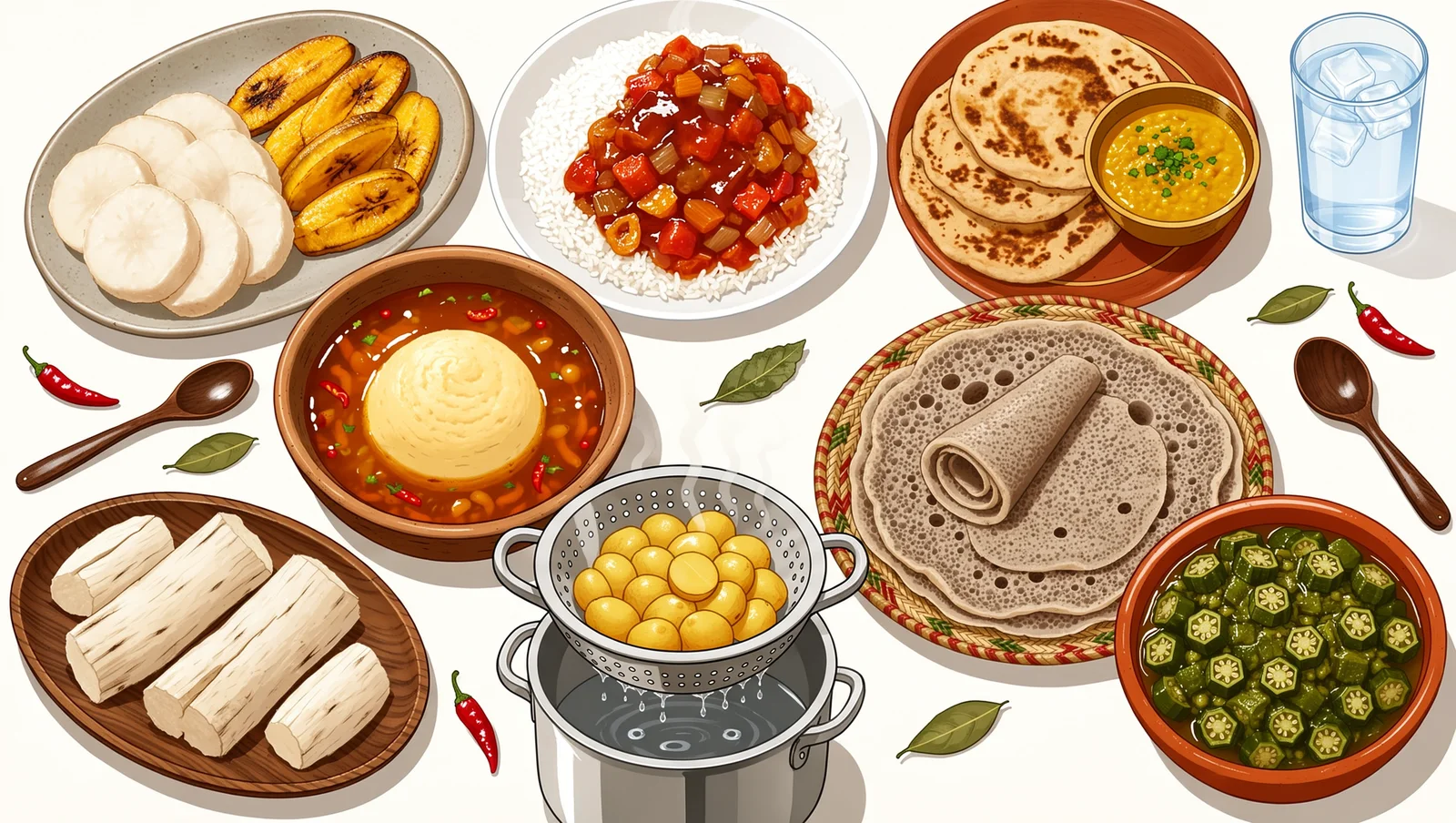
5 things to remember
- Early kidney disease is silent. Only a blood test (eGFR) and a urine test (ACR) can find it.
- Ask for both tests if you have diabetes or high blood pressure, the two biggest causes.
- Tell your health worker about every remedy, cream, painkiller and supplement you use.
- Don't cut out fruit, vegetables, pulses or dairy unless a doctor or renal dietitian tells you to.
- Dialysis helps but is not a cure, so prevention and early testing matter most.
Seven jobs, two fist-sized organs
Each kidney contains about a million tiny filtering units called nephrons. Blood passes through them all day and night. They keep what the body needs, send waste and spare water out as urine, and also make hormones. That is why kidney disease can affect blood pressure, bones and blood count, not just urine.
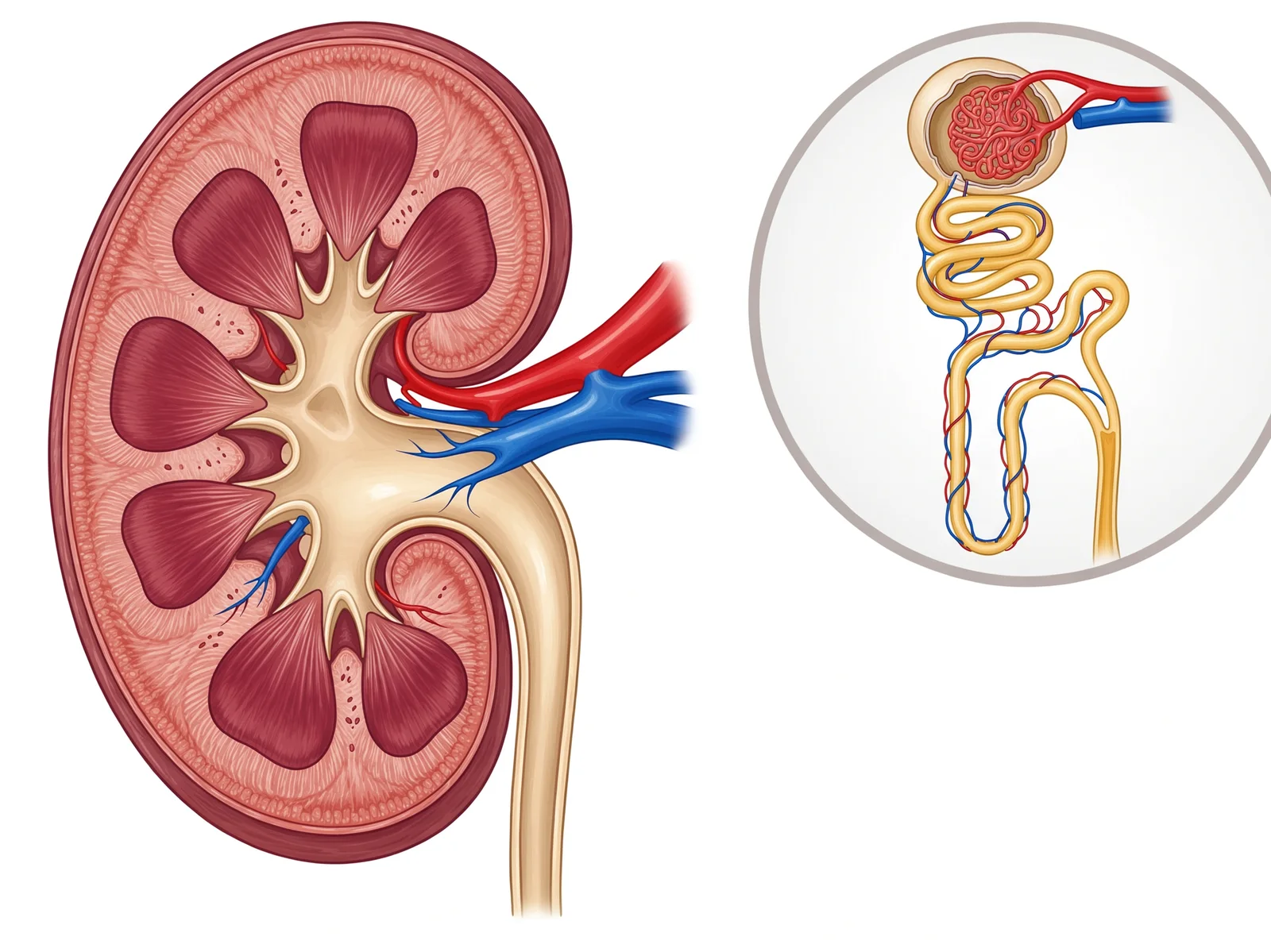 Cortex
Medulla (pyramid)
Renal pelvis
Ureter
Renal artery
Renal vein
Glomerulus (filter)
Tubule
Collecting duct
Watch a nephron at work
Step through what happens to blood inside one nephron, then switch to kidney disease to see what changes. Each coloured shape stands for one kind of substance.
Swipe sideways to see the whole nephron.
Drawn for MaDiet. Kidney functions as described in KDIGO 2024 and the NHS; in CKD, falling filtration raises waste such as creatinine in the blood (lowering eGFR), damaged filters let albumin leak into urine (measured by ACR), and lower EPO and vitamin D activation contribute to anaemia and bone problems (KDIGO 2024; UK Renal Registry 27th Annual Report).
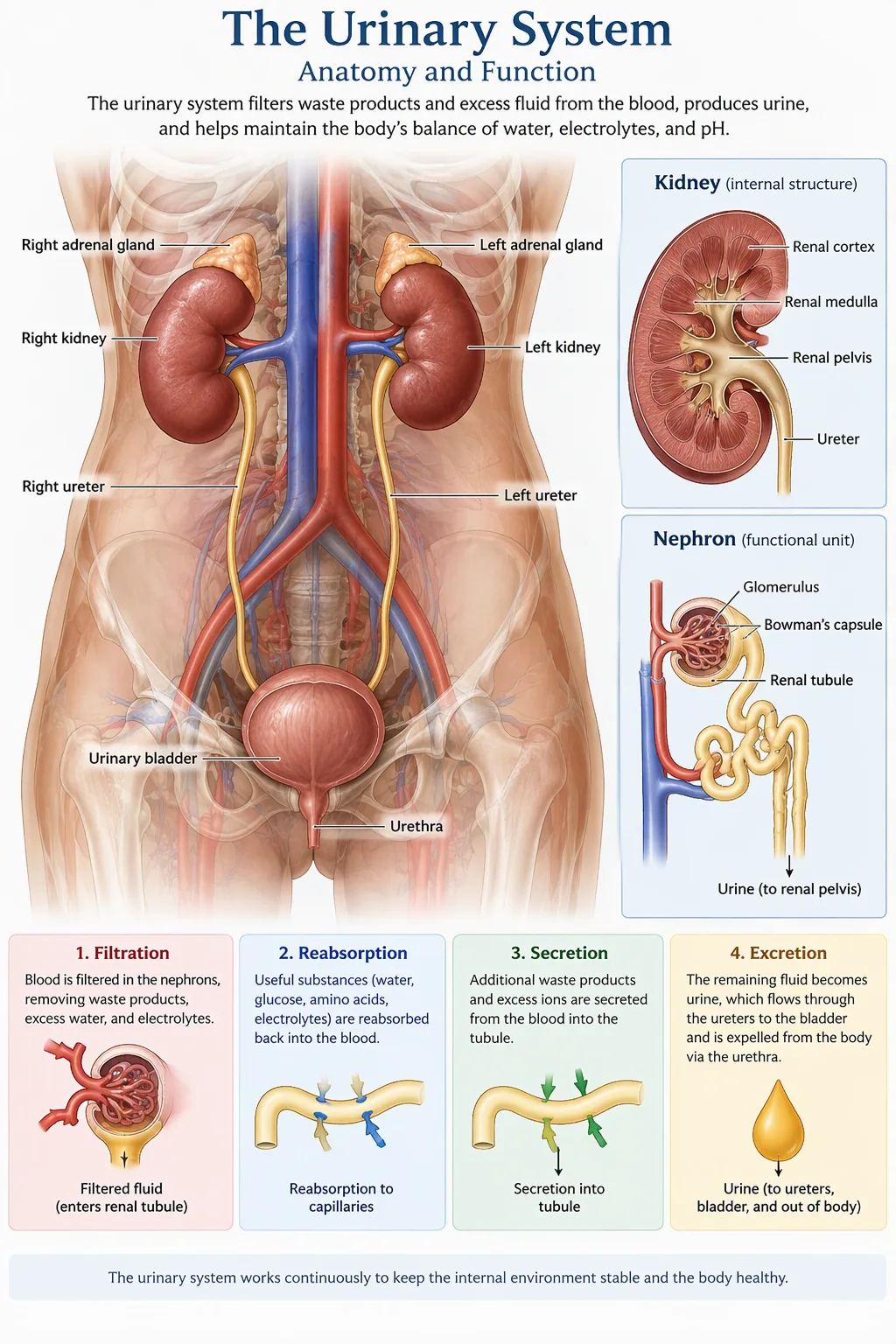
See the whole urinary system and the four steps of making urine
Clean the blood
Remove waste such as urea and creatinine into the urine.
Balance fluid
Decide how much water and salt to keep or let go, so the body is not too dry or too swollen.
Keep potassium safe
Keep potassium, sodium, phosphate and calcium at safe levels. Potassium matters most: too much or too little can upset the heartbeat.
Help control blood pressure
Release the hormone renin. Kidney damage and high blood pressure make each other worse.
Support strong bones
Turn vitamin D into its active form, which helps the body use calcium.
Make red blood cells
Make erythropoietin (EPO), which tells the bone marrow to make red blood cells. Low EPO in later CKD can cause anaemia. See the iron-deficiency anaemia guide.
Balance acid
Remove the extra acid the body makes each day, keeping the blood's pH steady.
Two tests, one grid
CKD means a problem with kidney structure or function that lasts more than 3 months. It is staged with two tests:
eGFR (blood test)
Estimates how well the kidneys filter, in mL/min/1.73 m². The lower the number, the less filtering. It gives the G stage, from G1 to G5.
ACR (urine test)
The albumin:creatinine ratio checks whether protein (albumin) is leaking into the urine, an early sign of damage. It gives the A stage, from A1 to A3.
Together they show the risk of the disease getting worse and of heart problems. Click any square to see what it means.
KDIGO 2024 Clinical Practice Guideline for the Evaluation and Management of Chronic Kidney Disease, Kidney International 2024;105(4S):S117–S314 (GFR and albuminuria categories and risk colours); NICE NG203, Chronic kidney disease: assessment and management (2021). ACR shown in UK units (mg/mmol); 3 mg/mmol is about 30 mg/g.
Why testing matters: early CKD is silent
Early CKD usually has no symptoms, so the blood and urine tests are the only way to find it. In later stages people may notice tiredness (often from anaemia), swollen ankles, itching, poor appetite and nausea, breathlessness, muscle cramps, or changes in how much urine they pass. In the UK in 2023, 17.5% of adults starting dialysis or a transplant had been known to a kidney team for less than 90 days, a sign that many people are still found late.
KDIGO 2024; NHS website, Chronic kidney disease; UK Renal Registry 27th Annual Report (2025, data to end of 2023).
Acute kidney injury (AKI)
AKI is a sudden drop in kidney function over hours or days. It often happens during an illness that dehydrates the body (vomiting, diarrhoea, fever), or because of certain medicines, including anti-inflammatory painkillers such as ibuprofen, naproxen and diclofenac. A previous AKI raises the chance of later CKD, so NICE lists it as a reason to test. Some people on certain medicines are given "sick day" advice to pause them while unwell. UK kidney specialists advise that this guidance should be based on each person's own risk assessment, so it is always set by their own doctor or pharmacist.
NICE NG203 (2021); Think Kidneys Board, "Sick day" guidance in patients at risk of acute kidney injury: a position statement (version 9, January 2018).
What damages the kidneys over time
The most common identifiable cause in UK adults starting dialysis or a transplant (30.6% in 2023). In the US, 59% of people newly diagnosed with kidney failure had diabetes. See the diabetes guide.
Both a cause and a result of CKD. It was the main cause in 29% of new US kidney-failure patients in 2019. See the blood pressure guide.
Glomerulonephritis (inflammation of the filters, for example in lupus), inherited conditions such as polycystic kidney disease, recurrent kidney stones and blockages.
A family history of kidney failure or inherited kidney disease is a reason to be tested.
HIV and sickle cell disease can both affect the kidneys, and gene variants called APOL1 add to the risk in people of West African ancestry (see Who is affected).
Matters mainly because it raises the risk of diabetes and high blood pressure. Rising diabetes, obesity and ageing are driving the global increase in CKD. See the obesity guide.
UK Renal Registry 27th Annual Report (2025); National Kidney Foundation fact sheet citing USRDS 2024; CDC MMWR 2022;71(11); NICE NG203; IHME news release on GBD 2023 CKD (2025).
Who NICE says should be offered kidney tests
In the UK, NICE recommends eGFR and urine ACR tests for adults with any of these:
- Diabetes, or high blood pressure
- A previous acute kidney injury
- Heart or circulation disease
- Kidney or urinary tract structural problems, recurrent kidney stones, or an enlarged prostate
- Conditions such as lupus that can involve the kidneys, or gout
- A family history of kidney failure or inherited kidney disease
- Blood or protein found in the urine by chance
- Long-term use of medicines that can harm the kidneys, such as lithium or regular anti-inflammatory painkillers
NICE NG203 (2021), recommendations on who to test; Scottish cohort study, BMC Nephrology 2025, doi:10.1186/s12882-025-04043-0.
Common habits, especially where health care is hard to reach
Some kidney damage comes from things people do to stay well or to cope, often because a clinic is far away, expensive or slow. These risks are greater in low-resource settings, where kidney problems tend to be found late and dialysis is often not available. In 2023, more than half of people with kidney failure could get dialysis in only 32% of low-income countries, compared with 98% of high-income countries.
ISN Global Kidney Health Atlas 2023.
Tap each one to read more.
Herbal and traditional remediesMost are safe, but some plant drinks, enemas and vaginal preparations can injure the kidneys.
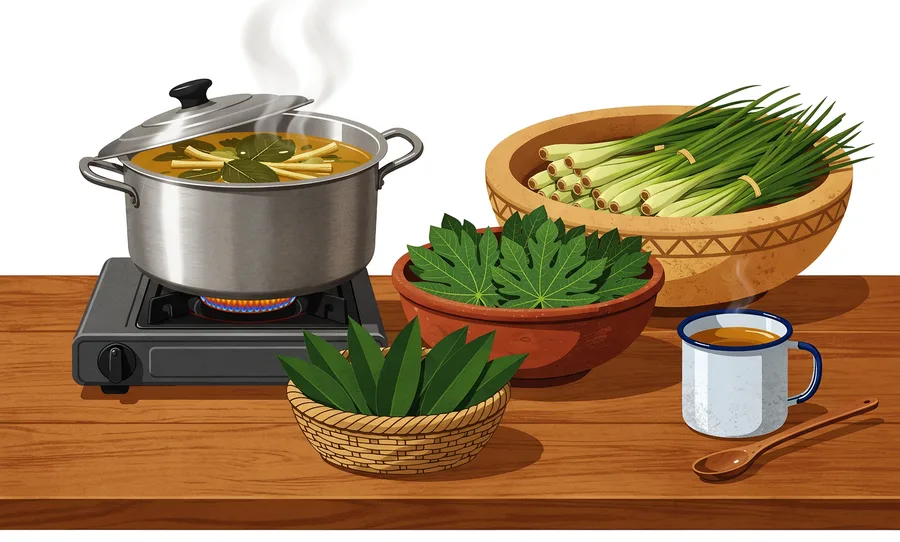
Most remedies are used without harm, but some plant preparations can injure the kidneys, especially when taken in large amounts or given as enemas or vaginal preparations. A 2008 review estimated that folk remedies account for up to 35% of acute kidney injury cases in low-income countries. That figure is an older estimate that is still widely repeated. In a South African hospital study of 78 people with kidney failure after using folk remedies, 41% died. In a 2021 study in two general hospitals in Cameroon, 24 of 53 people with acute kidney injury (45%) had taken traditional medicines in the 72 hours before. They were younger than the others, and their injury was usually severe. The remedies were mostly drinks made by boiling leaves, prepared at home. The plants named most often were everyday ones (lemongrass, lime, mango and papaya leaves), but the study could not show which plant, mixture or amount caused the harm.
Luyckx VA, Naicker S, Nat Clin Pract Nephrol 2008;4(12):664–71; Luyckx VA and others, Ren Fail 2005;27(1):35–43; review in PMC12065597 (2025); case report, Ilorin, Nigeria (doi:10.4314/sjmrp.v3i1.7); Fouda Menye EHD and others, Health Sciences and Disease 2021;22(10).
Herbal products containing aristolochic acidSome herbal products contain aristolochic acids, which cause severe kidney damage and cancers.
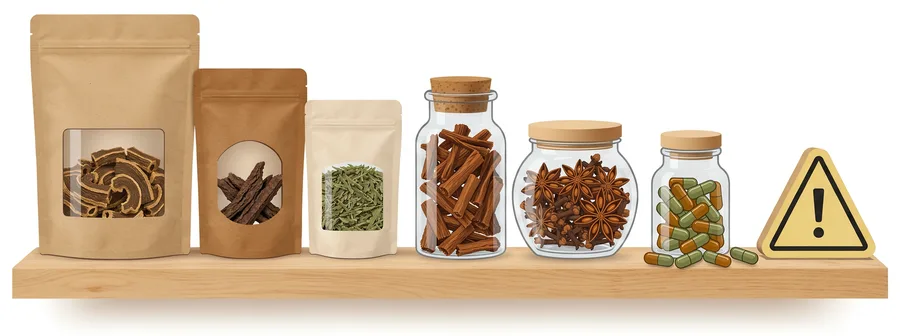
Plants of the Aristolochia family contain aristolochic acids, which can cause severe kidney damage and cancers of the urinary tract. WHO's cancer agency (IARC) warns that such products are still made and sold worldwide with poor regulation. The problem has been seen most in parts of Asia and the Balkans, but products travel.
IARC, "Aristolochic acid-associated cancers: a public health risk in need of global action" (20 July 2022); Kidney Research and Clinical Practice 2023;42(5):579–590.
Painkillers bought without adviceAnti-inflammatory painkillers reduce blood flow to the kidneys, especially when dehydrated.
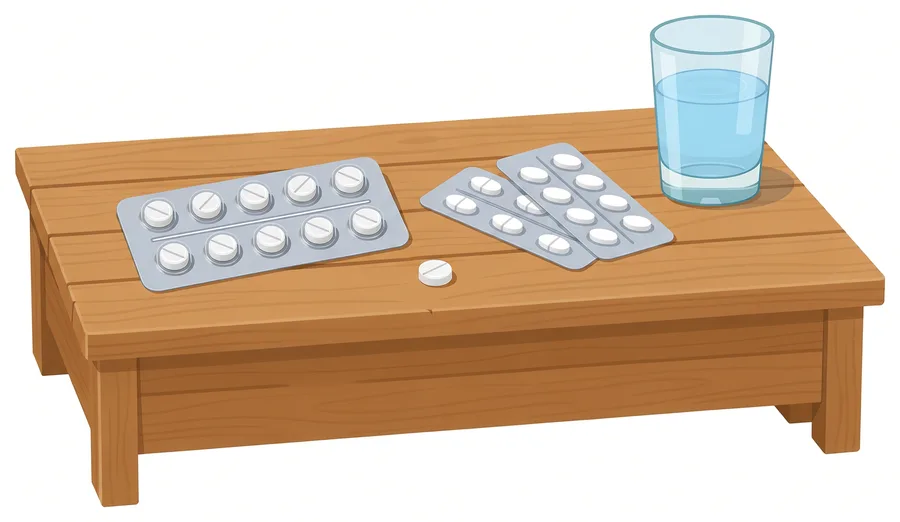
Anti-inflammatory painkillers (NSAIDs) such as ibuprofen and diclofenac are among the medicines people most often take without advice, and in many countries they are sold freely. They reduce blood flow to the kidneys, which matters most when someone is dehydrated, elderly, or already has kidney disease. Stopping them early can let the kidneys recover.
Thapa S and others, Archives of Pharmacy Practice 2016 (NSAIDs are the medicines most often used for self-medication); review, "Non-steroidal anti-inflammatory drugs: clinical implications, renal impairment risks, and AKI", PMID 36947330; NICE NG203.
Skin-lightening creams and soapsSome creams and soaps contain mercury, which can damage the kidneys.
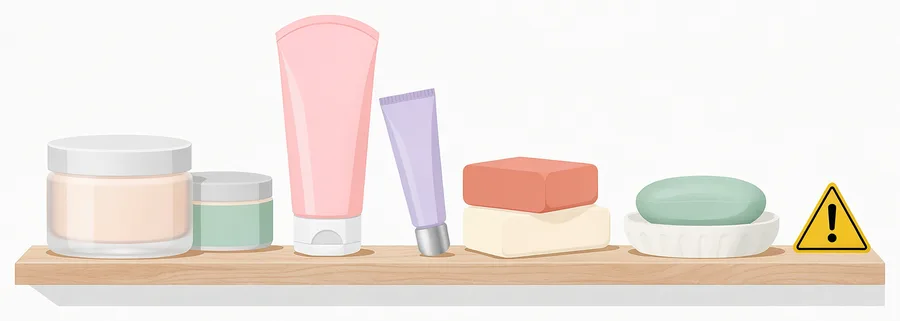
Some skin-lightening creams and soaps contain inorganic mercury, even though it is banned in many countries. The World Health Organization lists kidney damage first among its harms, and describes a study that found the kidney condition nephrotic syndrome to be common among African women using mercury-containing creams. Products of unknown content are best avoided.
World Health Organization, Mercury in skin lightening products.
Lead from work and the homeBattery recycling, mining, old pipes and some products can expose people to lead.
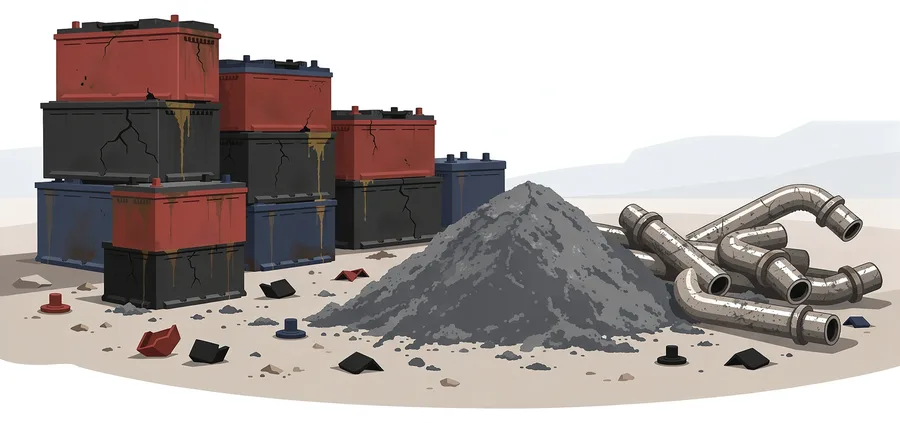
WHO says lead causes long-term harm in adults, including kidney damage and high blood pressure, and that battery recycling and mining have caused outbreaks of mass lead poisoning. Lead can also come from old pipes, some pottery and spices, and some traditional medicines.
WHO fact sheet, Lead poisoning and health; National Kidney Foundation, Lead exposure and kidney function (updated March 2026).
Hard work in the heat without water, shade or restHeavy outdoor work without enough water, shade and rest is linked to kidney disease.
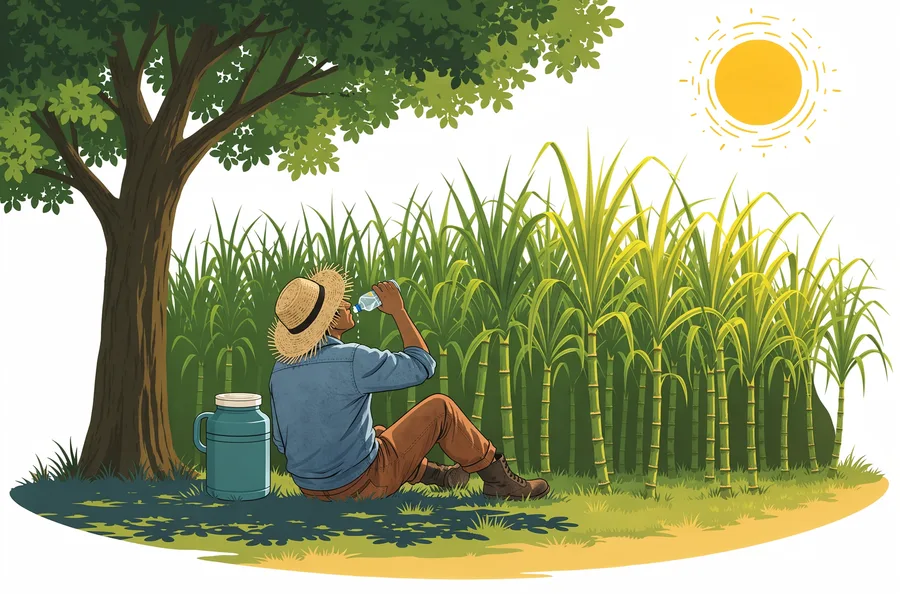
Clusters of kidney disease in young farm workers with no diabetes or high blood pressure are called CKD of unknown cause (CKDu). Among sugarcane workers in Central America, heat stress and dehydration are strongly linked, and giving workers water, rest and shade reduced kidney injury. In Sri Lanka and India the cause is still debated: heat, farm chemicals and water quality have all been suggested.
Johnson RJ, Wesseling C, Newman LS. Chronic kidney disease of unknown cause in agricultural communities. N Engl J Med 2019; Kidney International Reports; PMC8815562.
Earlier kidney failure in some communities
United Kingdom
Median age starting dialysis or transplant, 2023
61.6 years for Asian and 64.9 years for White patients. Black patients reach kidney failure nearly ten years younger.
Kidney transplant waiting list, 2024/25
But only 2% of deceased kidney donors were Black. Close tissue matches are more likely between people of similar ancestry.
Median wait for a kidney, 2024/25
592 days for Asian and 463 days for White patients, so Black patients wait about 3 months longer. The gap has narrowed since 2018/19 (965, 830 and 640 days).
People in the UK with CKD
More than 1 in 10 people.
UK Renal Registry 27th Annual Report (2025); NHS Blood and Transplant, Annual Report on Ethnicity Differences 2024/25; NHSBT news release on 2018/19 figures; NHSBT Kidney Advisory Group paper on ethnicity and access to transplantation; Kidney Research UK, Kidney disease: A UK public health emergency (2023).
No more "race adjustment" for eGFR
Until 2021, eGFR results for people of African-Caribbean or African family origin were multiplied upwards. This made their kidneys look healthier than they were (by about 16% with the common equation) and could delay diagnosis and referral. NICE removed the adjustment in 2021, saying it "may not be valid or accurate". In UK data, removing it changed the CKD stage for 24% of Black patients. The US moved to a new race-free equation in 2021. The UK still uses the older equation, without the adjustment, because the new one has not been validated in UK populations.
NICE NG203, Rationale and impact (2021); UK Kidney Association joint statement (2021); systematic review, PLoS One 2022, doi:10.1371/journal.pone.0276252; Gama RM and others, Ann Clin Biochem 2024, doi:10.1177/00045632221149660; Inker LA and others, N Engl J Med 2021.
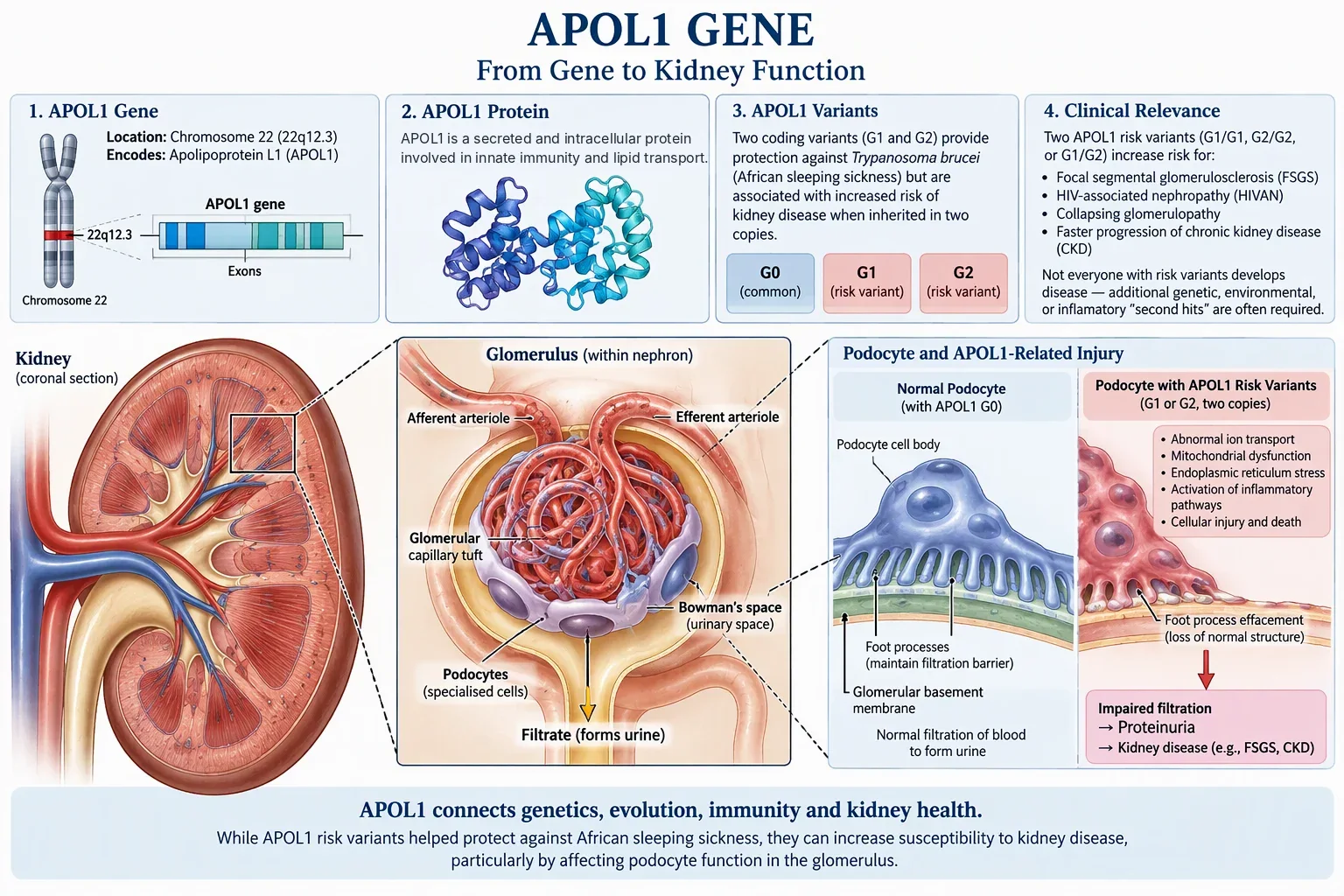
APOL1: a gene variant, not "race"
Two variants of the APOL1 gene became common in West Africa because they protect against sleeping sickness. Carrying two copies raises the risk of kidney disease. In a study of 8,355 people in Ghana and Nigeria, 29.7% carried two copies. Across people of African ancestry, about 10–15% carry two copies, with lower rates reported in people of East and Southern African ancestry.
Most people with two copies never develop kidney failure. Studies in African Americans suggest about 15–20% develop CKD and about 15% develop kidney failure. Ancestry is not the same as skin colour, and APOL1 is no reason to adjust anyone's eGFR. Controlling diabetes and blood pressure still matters most. APOL1 variants are also linked to kidney problems in people with sickle cell disease. KDIGO does not recommend testing everyone for APOL1, though it may be considered in selected situations.
See how APOL1 affects the kidney's filters
H3Africa APOL1 study, Ghana and Nigeria (PMC11735277); KDIGO 2025 APOL1 Controversies Conference, as summarised in Dogra N and others, APOL1 kidney disease: a critical narrative review, International Urology and Nephrology 2026, doi:10.1007/s11255-026-05380-1.
Around the world
Global adults with CKD, 2023
CKD caused 1.48 million deaths, making it the 9th leading cause of death.
Highest regional prevalence
South Asia 15.8%, sub-Saharan Africa 15.6%, Latin America and Caribbean 15.4% (age-standardised).
USA, new kidney failure per million
Native American 572, Hispanic 523 (adjusted, 2022 data). In Native American patients, 80% had diabetes.
Australia, First Nations adults
They started dialysis or transplant at 5 times the rate of non-Indigenous Australians in 2024.
Aotearoa New Zealand, Māori and Pacific people
Compared with 29% in non-Māori, non-Pacific people.
Africa, access to treatment
could give dialysis to more than half of people who need it (17 of 40). Transplants were available in only 33%.
Canada, Aboriginal peoples (First Nations, Inuit and Métis) on dialysis
Five-year survival on dialysis was 40% vs 45%. These figures come from a 2013 CIHI report and are now old.
GBD 2023 CKD Collaborators, Lancet 2025;406:2461–82, doi:10.1016/S0140-6736(25)01853-7; IHME news release (2025); USRDS 2024 Annual Data Report; AIHW, Chronic kidney disease: Australian facts, First Nations people; ANZDATA, cited in Diabetologia 2025, doi:10.1007/s00125-025-06471-x; ISN Global Kidney Health Atlas 2023; Canadian Institute for Health Information report on Aboriginal end-stage renal disease patients (2013), reported in CMAJ 2013;185(5):E214.
The advice changes with the stage
There is no single "kidney diet". Advice depends on the CKD stage, blood results, whether someone is on dialysis, and how well-nourished they are. Choose a stage to compare.
Protein: where the guidelines differ
| Group | Suggested protein | Source |
|---|---|---|
| CKD stages 3–5, not on dialysis, no diabetes | 0.55–0.60 g/kg/day, only under close supervision | KDOQI 2020 |
| CKD stages 3–5, not on dialysis, with diabetes | 0.6–0.8 g/kg/day | KDOQI 2020 |
| Adults with CKD G3–G5 | About 0.8 g/kg/day; avoid over 1.3 g/kg/day | KDIGO 2024 |
| On haemodialysis or peritoneal dialysis | 1.0–1.2 g/kg/day | KDOQI 2020 |
A 2020 Cochrane review of 17 trials found that low-protein diets may make little difference to how many people reach kidney failure. Very low-protein diets probably reduce it in stages 4–5, but need careful supervision. This is why a renal dietitian, not a general rule, decides.
KDOQI Clinical Practice Guideline for Nutrition in CKD: 2020 Update, Am J Kidney Dis 2020;76(3 Suppl 1):S1–S107; KDIGO 2024; Hahn D, Hodson EM, Fouque D, Cochrane Database Syst Rev 2020;10:CD001892; Kalantar-Zadeh K and others, Clin J Am Soc Nephrol 2010;5:519–30 (phosphate additives); LoSalt UK pack label.
Potassium and salt in foods from many kitchens
These per 100 g values come from MaDiet's food comparison table. They are not a list of foods to avoid. Most people with early CKD need no potassium restriction. They show why advice is personal, and how much cooking changes the numbers: boiled yam from the West African table and cooked yam from the Caribbean table differ by about two times.
Tap a region to see its foods. All regions use the same scale, so bars can be compared across regions.
Values and sources: see the Foods from many kitchens sources list. Sodium × 2.5 gives the approximate salt content.
Double-boiling roots and tubers
For people who have been told to lower their potassium, cooking can help with yam, cocoyam, potato and similar foods:
- Peel and cut small or thin. More surface means more potassium leaves the food.
- Boil in plenty of water, then drain.
- Boil again in fresh water, and drain again.
- Throw the water away. Do not use it in soups, stews or sauces.
In studies, boiling cubed potato removed about half of its potassium, and shredded potato about three-quarters. Soaking alone made little difference. A study of Caribbean and African roots found double cooking removed more than normal boiling for most types, but not for dasheen or yellow yam. Cooking lowers potassium without making a root "low-potassium", so portion size still matters.
Bethke PC, Jansky SH, J Food Sci 2008;73(5):H80–H85; Burrowes JD, Ramer NJ, J Ren Nutr 2006;16(4):304–311, PMID 17046614.
When the kidneys fail: what dialysis does
When kidney failure is reached, a person needs treatment to stay alive: dialysis or a kidney transplant. Dialysis takes over the filtering job, removing waste, extra fluid and extra minerals such as potassium from the blood. But it cleans the blood without doing everything healthy kidneys do, so medicines for anaemia, bones and blood pressure are usually still needed. Neither dialysis nor a transplant is a cure. With chronic kidney disease, dialysis is needed for the rest of a person's life, or until they have a transplant. After a sudden kidney injury (AKI), it may only be needed until the kidneys recover.
National Kidney Foundation, Hemodialysis (updated 24 July 2026); NHS Wales 111, Dialysis; Nature Reviews Nephrology 2024 (doi:10.1038/s41581-024-00829-x).
See how each type works
Swipe sideways to see the whole picture.
Drawn for MaDiet. NHS, Dialysis: what happens (reviewed 10 September 2025); National Kidney Foundation, Hemodialysis (2026); NIDDK, Peritoneal dialysis; MedlinePlus, Peritoneal dialysis.
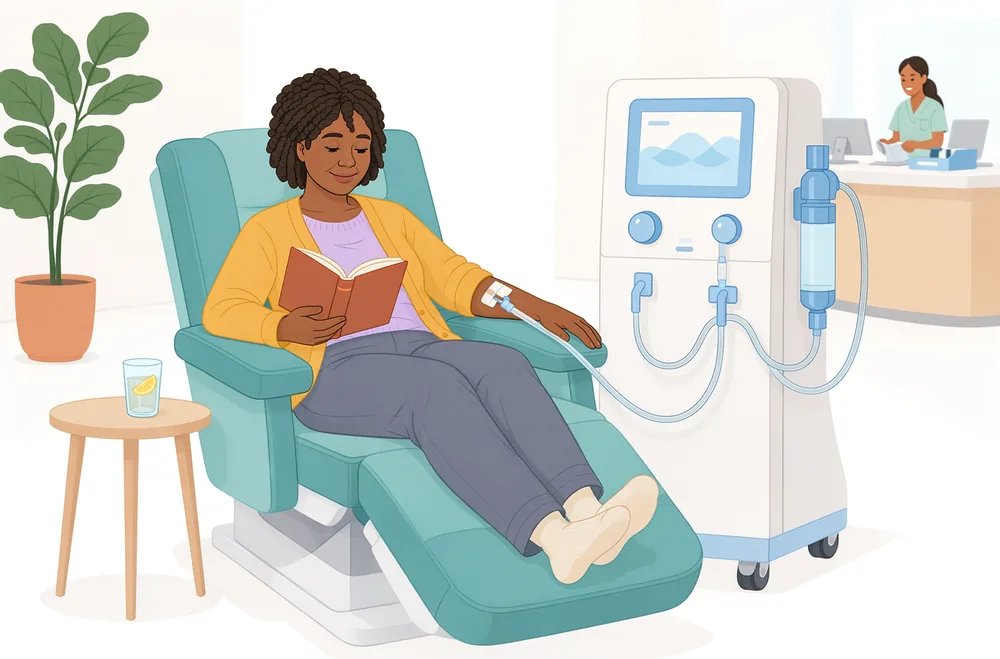
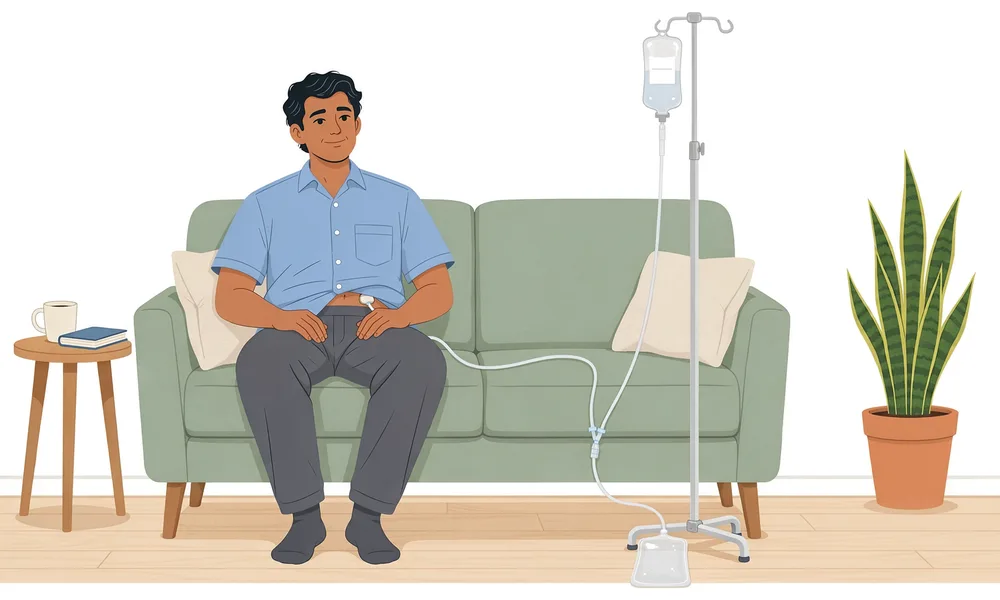
Tap each one to read more.
Living on dialysisFood, fluid, side effects, and why some medicines continue.
Food and fluid. Protein needs go up on dialysis, to about 1.0–1.2 g per kg of body weight a day, because dialysis removes protein. People on haemodialysis are usually told how much fluid to drink each day, so fluid does not build up between sessions. Peritoneal dialysis generally has fewer diet and fluid limits, because it is done every day. A renal dietitian sets potassium and phosphate advice from regular blood tests (see Food and the kidneys).
Side effects. Both types can leave people feeling tired and sick after a session. Haemodialysis can cause muscle cramps and dizziness, and the access site can become infected or bleed. Peritoneal dialysis carries a risk of peritonitis, an infection of the belly lining, which needs treating straight away because it can lead to sepsis.
What dialysis does not replace. Dialysis does not make EPO or activate vitamin D, so many people still need treatment for anaemia and bone health.
KDOQI 2020 nutrition guideline; NHS Wales 111, Dialysis; NHS, Dialysis; National Kidney Foundation, Hemodialysis (2026).
Dialysis around the worldMillions of people who need dialysis cannot get it, most of them in poorer countries.
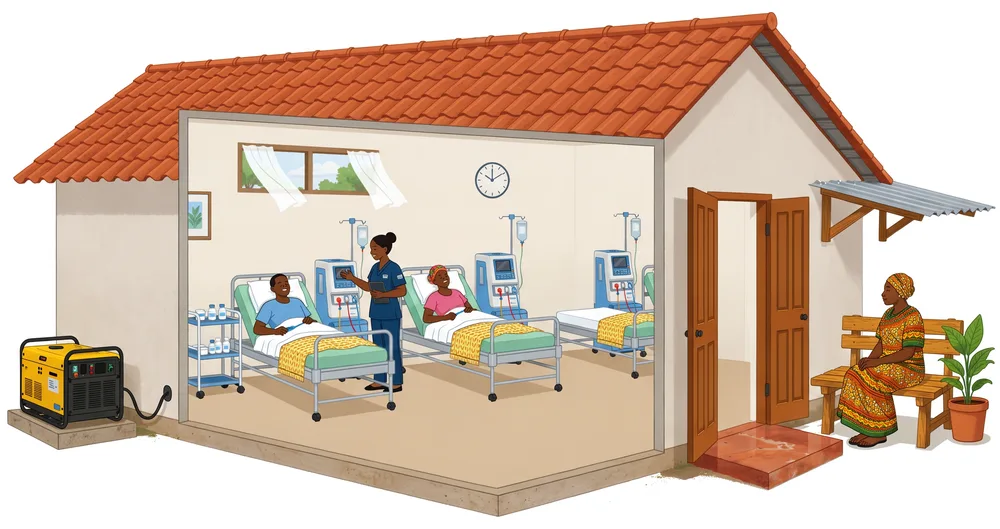
A large treatment gap. In 2010, about 2.6 million people worldwide were on dialysis or had a kidney transplant. Almost all of them (92.8%) lived in high- or high-middle-income countries. Researchers estimated that at least 2.3 million more people died early because they could not get treatment. That is a modelled estimate. By 2023, about 4.6 million people were estimated to be on dialysis or living with a transplant.
Sub-Saharan Africa. In most countries, families pay for dialysis themselves. A 2017 review of 68 studies found that only about 10% of adults and 35% of children with kidney failure were still on dialysis three months later. In one Nigerian centre, the main reason people died was not being able to pay for more than a few sessions.
The UK. In 2023, 17.7% of adults starting treatment for kidney failure began with peritoneal dialysis, and most of the rest started haemodialysis.
A hopeful approach for sudden kidney injury. For children with acute kidney injury, peritoneal dialysis is more practical than haemodialysis in low-resource settings. The "Saving Young Lives" programme trains local teams to provide it, and a hospital in Cameroon showed that locally prepared dialysis fluid can be used safely.
Liyanage T and others, Worldwide access to treatment for end-stage kidney disease, Lancet 2015;385:1975–82; GBD 2023 kidney replacement therapy estimate, Lancet Global Health 2025 (cited in Nephrology Dialysis Transplantation 2026); Ashuntantang G and others, review of dialysis outcomes in sub-Saharan Africa (2017), reported by Reuters Health; Haemodialysis in an emerging centre in a developing country (PMC3198883); UK Renal Registry 27th Annual Report; Dialysis for paediatric acute kidney injury in Cape Town, Pediatr Nephrol 2024 (doi:10.1007/s00467-024-06399-1); Nature Reviews Nephrology research highlight on locally prepared PD fluid in Cameroon.
Other options: transplant and conservative careDialysis is not the only path.
Kidney transplant. A transplant from a living or deceased donor is the preferred treatment for many people with kidney failure, and some people have one before ever needing dialysis. In the UK in 2023, 6.7% of adults starting treatment had a transplant without dialysis first. See Who is affected for how donor matching affects waiting times.
Conservative care. Some people, often older people with other serious illnesses, choose care that focuses on managing symptoms and quality of life without dialysis. Kidney teams support this choice.
Kidney Care UK, Treatments; Mayo Clinic, Hemodialysis; Pharmaceutical Journal, Dialysis: principles and treatment options; UK Renal Registry 27th Annual Report.
Water, less salt, and keep the calcium
Kidney stones form when minerals in urine crystallise. Most are calcium oxalate. Others are calcium phosphate, uric acid, cystine and infection (struvite) stones. For people who have had calcium oxalate stones, NICE advises:
Do
- Drink 2.5–3 litres of water a day (adults)
- Add fresh lemon juice to water
- Keep salt to no more than 6 g a day
- Keep a normal calcium intake, 700–1,200 mg a day for adults
Avoid
- Fizzy drinks
- Cutting out dairy or other calcium foods. Calcium eaten at a meal binds oxalate in the gut, so cutting it can backfire.
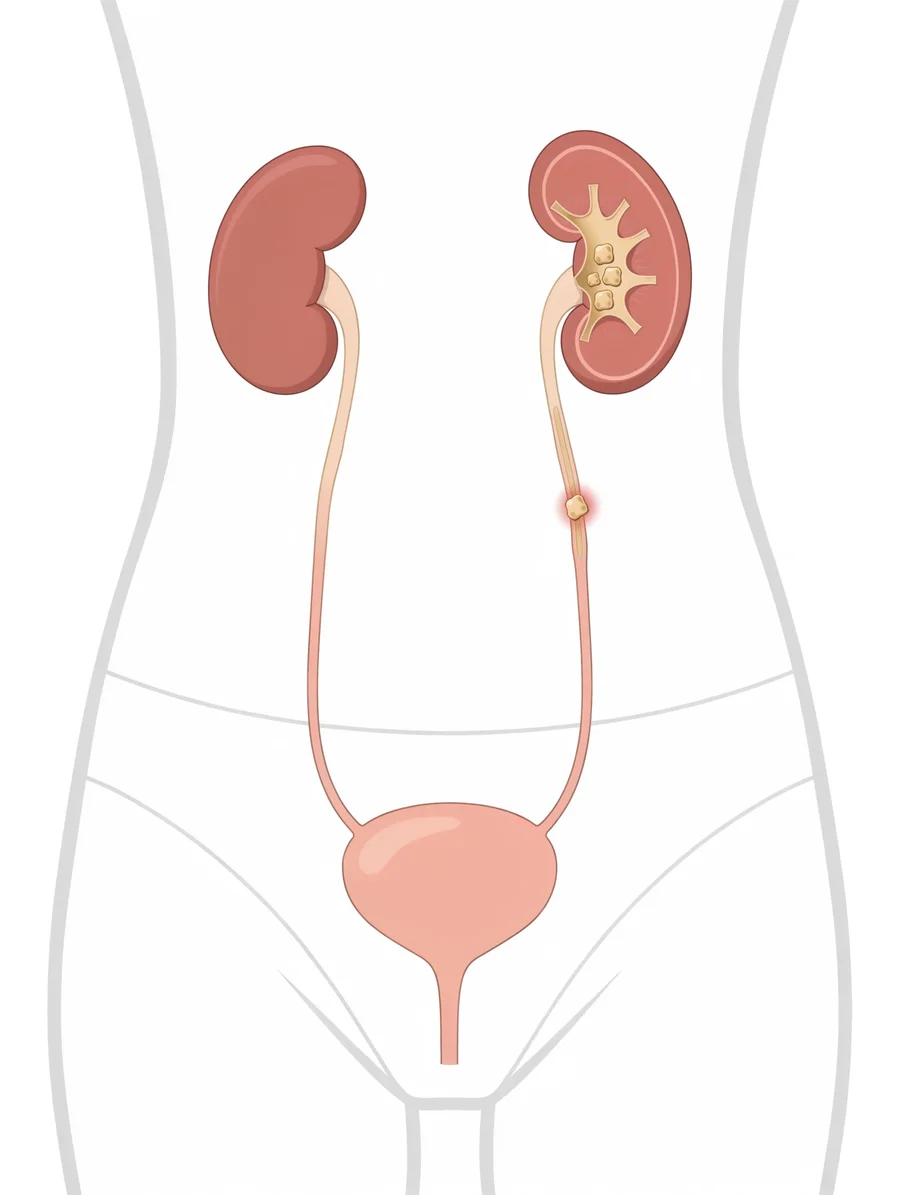 Kidney
Stones in the kidney
Ureter
Stone in the ureter
Bladder
Urethra
This large fluid target is for people who have had stones. It is not a rule for everyone. People on dialysis or with heart failure may be told to limit fluid.
NICE NG118, Renal and ureteric stones: assessment and management (2019); UK Kidney Association commentary on NICE NG118.
Ramadan, older age, children, pregnancy and transplant
Tap each one to read more.
Fasting in RamadanGuidance exists for people with kidney disease who want to fast.
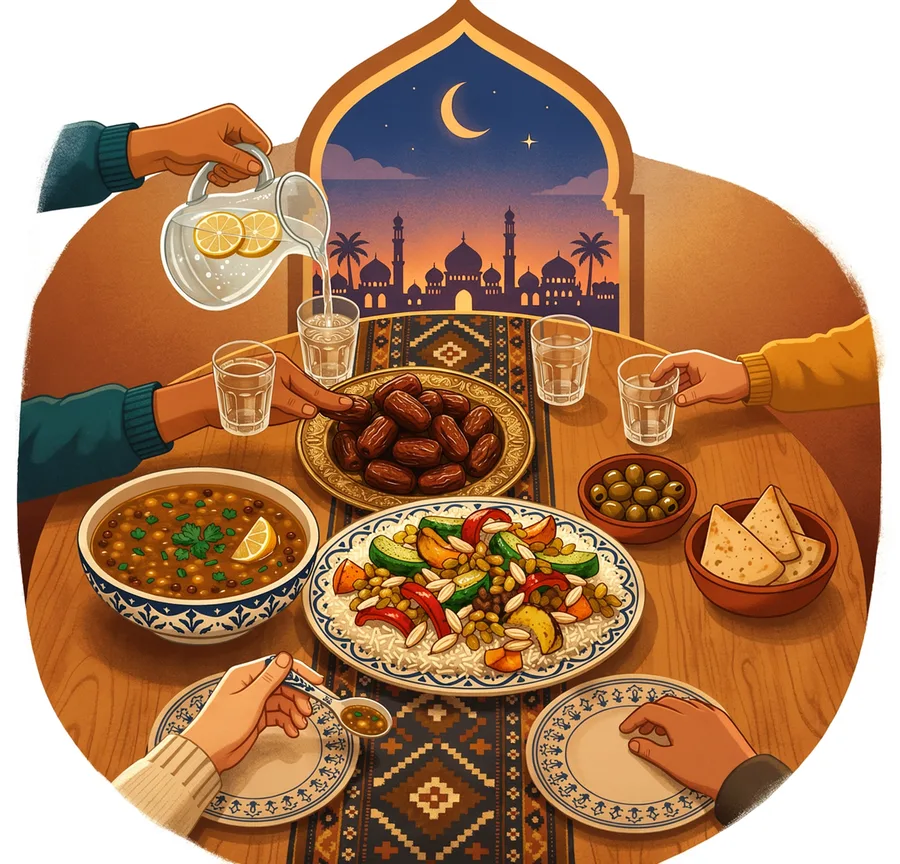
Kidney Research UK and the British Islamic Medical Association published a fasting factsheet in 2025. It advises discussing plans with the kidney team, considering a trial fast, and drinking water between sunset and dawn within personal fluid advice. It also notes that diuretics and anti-rejection medicines can make fasting unsafe. Islamic teaching exempts people whose health may be harmed, and dialysis and CKD stages 4–5 are considered high risk.
Older adultsEating enough often matters more than strict limits.
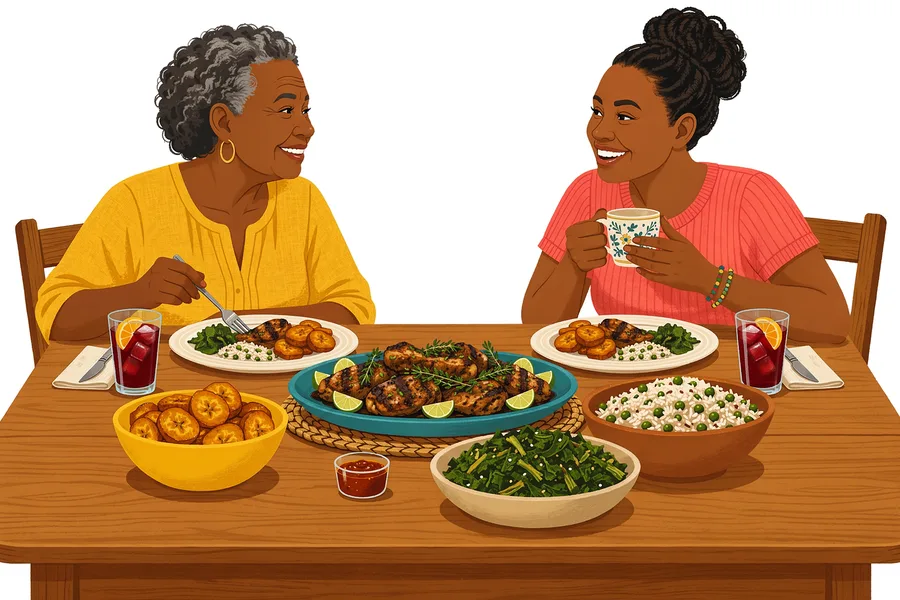
The median age of UK adults with advanced CKD is about 77. Strict diets can lead to malnutrition, so the priority is often eating enough rather than restricting.
ChildrenChildren have their own testing guidance.

NICE has separate guidance on when children and young people should be tested, for example after an acute kidney injury or with only one working kidney.
PregnancyPlan pregnancy with the kidney team first.

CKD is estimated to affect about 3% of pregnant women in high-income countries. CKD does not stop most women having children, but it raises the risk of problems. UK guidance recommends advice on contraception for all women with CKD, and pre-pregnancy counselling with the kidney team before trying for a baby.
After a kidney transplantAnti-rejection medicines need care with food and other remedies.

Anti-rejection medicines are lifelong and lower immunity, so the transplant team gives food safety advice. NHS transplant units advise avoiding grapefruit and grapefruit juice with tacrolimus or ciclosporin, because it changes the amount of medicine in the blood. Some also list pomegranate, and some citrus drinks contain grapefruit extract. Herbal remedies and over-the-counter medicines should always be checked with the transplant team first.
Kidney Research UK, fasting guidance launch (28 February 2025); British Islamic Medical Association and UK Kidney Association, Ramadan rapid review recommendations; Kidney Care UK, Fasting during Ramadan; UK Renal Registry 27th Annual Report; NICE NG203; Wiles K and others, Clinical practice guideline on pregnancy and renal disease, BMC Nephrology 2019;20:401; University Hospitals Birmingham, Tacrolimus patient information; St George's University Hospitals, Taking tacrolimus following kidney transplant (2022).
Clearing up common beliefs
KDIGO 2024; KDOQI 2020; NICE NG203 and NG118; Bethke and Jansky 2008; LoSalt label and BMJ case report (PMC1124926); IARC 2022; WHO, Mercury in skin lightening products.
Questions to ask your doctor or nurse
Kidney appointments can feel rushed, especially in a second language. These questions can help. Print the card, save it on your phone, or show it to a family member who comes with you.
My kidney questions
- What is my eGFR, and has it changed since last time?
- What is my urine ACR result? Is there protein in my urine?
- What stage of kidney disease, if any, does this mean?
- Is my blood pressure where it should be for my kidneys?
- Are any of my medicines, painkillers, herbal remedies or creams hard on my kidneys?
- Should I change anything about what I eat or drink? Can I see a renal dietitian?
- What should I do with my medicines if I have vomiting, diarrhoea or a fever?
- When should my next kidney tests be?
From the MaDiet kidney health guide (madiet.netlify.app/kidney.html). For learning only, not medical advice.