How the body handles glucose, and what changes in diabetes
Diabetes is a long-term condition in which blood glucose stays too high, either because the pancreas does not make enough insulin or because the body cannot use its insulin well. This guide explains how that happens, how diabetes is found, and what to look out for, with examples across different skin tones and backgrounds.
Definition paraphrased from the WHO diabetes fact sheet.
Insulin and glucagon: keeping glucose in balance
Two hormones from the pancreas work as a pair. Insulin, made by beta cells, helps glucose move out of the blood and into body cells, and helps the liver store it as glycogen. Glucagon, made by alpha cells, does the opposite: when glucose falls it signals the liver to break glycogen down and release glucose. Step through the model, then switch to type 1 or type 2 to see what changes.
Where glucose comes from, and the organs that control it
When you eat, carbohydrate in food is broken down into glucose. Glucose and other nutrients are absorbed from the gut into the blood. That blood goes to the liver first, through the hepatic portal vein, before reaching the rest of the body.
The pancreas and liver keep blood glucose in balance, and muscles are among the cells that use it:
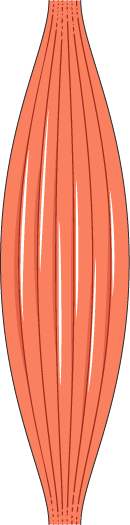
Insulin helps glucose move into muscle cells, where it is used for energy.
Muscle. Servier Medical Art, CC BY 4.0.
UHCW diabetes leaflet (carbohydrate broken down to glucose); Digital Histology, Liver (portal vein carries absorbed nutrients to the liver first); University of Utah WebPath (glycogen storage).
Islet, liver and muscle drawings: Servier Medical Art (smart.servier.com), CC BY 4.0; hormones, glucose and movement drawn on top. Sources: StatPearls, Physiology, Glucagon (insulin from beta cells, glucagon from alpha cells, glycogen breakdown in the liver, glucagon's part in high glucose in diabetes); University of Utah WebPath (insulin promotes glycogen storage); UHCW diabetes leaflet (carbohydrates are broken down to glucose); WHO diabetes fact sheet (type 1 and type 2).
Zoom in: an islet of Langerhans
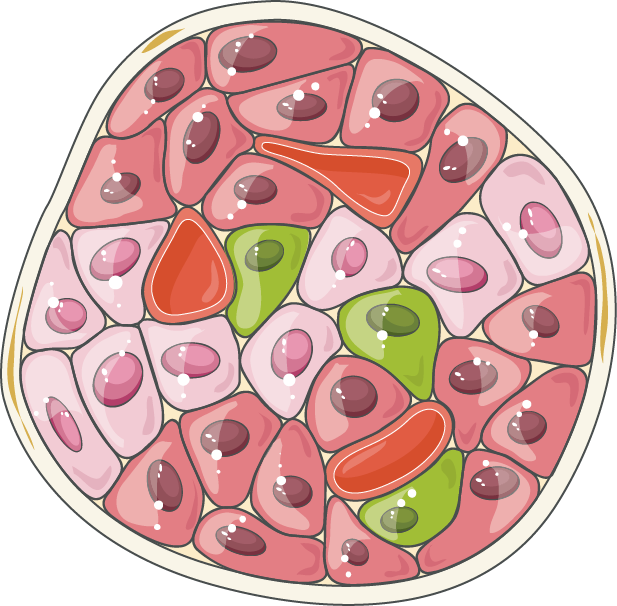
The hormone-making part of the pancreas sits in tiny clusters of cells called islets of Langerhans, scattered through the rest of the pancreas. Each islet contains several cell types:
- Beta cells make insulin. They are the most common cell in the islet, around 50–80% of it.
- Alpha cells make glucagon, around 5–20%.
- A network of tiny blood vessels runs through each islet, so the hormones reach the blood quickly.
In type 1 diabetes, it is the beta cells in these islets that the immune system destroys.
MeSH (US National Library of Medicine), Islets of Langerhans; NHS Scotland, My Diabetes My Way.
The main types of diabetes
The body makes little or no insulin
The immune system attacks and destroys the insulin-making cells in the pancreas. It is not caused by diet or lifestyle, and it cannot currently be prevented. People with type 1 need insulin every day.
WHO fact sheet; NHS Scotland, My Diabetes My Way.
The body cannot use insulin well
This is the most common type. Insulin is made but the body does not use it effectively. It is closely linked with excess body weight and low physical activity, and symptoms can be mild, so it may go unnoticed for years.
WHO fact sheet.
Diabetes that starts in pregnancy
High blood glucose that develops during pregnancy and usually goes away after the birth. It often causes no symptoms, so it is found through screening. Having had it raises the risk of type 2 diabetes later.
NHS website, gestational diabetes.
Symptoms and who is at higher risk
Common symptoms
- Peeing more than usual
- Feeling thirsty all the time
- Feeling very tired
- Losing weight without trying
- Blurred vision
- Cuts or wounds taking longer to heal
- Itching around the genitals, or repeated thrush
Higher risk of type 2 diabetes
- Being over 40, or over 25 for people from a South Asian, Chinese, Black African or Black Caribbean background
- A parent, brother or sister with diabetes
- Being overweight and not very physically active
- Having a condition that raises risk, such as high blood pressure
Contains public sector information licensed under the Open Government Licence v3.0 (adapted from NHS website pages on type 2 diabetes symptoms and risk, reviewed February 2025).
What skin signs can look like across skin tones
Most textbook pictures show signs on light skin only. Choose a skin tone to see how two relevant signs can look different.
Darker, velvety patches on the neck
Illustration generated with AI (Canva Magic Media); skin recoloured for each tone. Not a diagnostic image.
Called acanthosis nigricans. It is often linked with insulin resistance and type 2 diabetes. It is seen more often on the neck in people with darker skin, where the patch may look darker and more leathery. In darker skin it can also appear without insulin resistance, so it is a reason for a check, not a diagnosis.
DermNet, Acanthosis nigricans (variation by skin type).
Looking pale: where to check
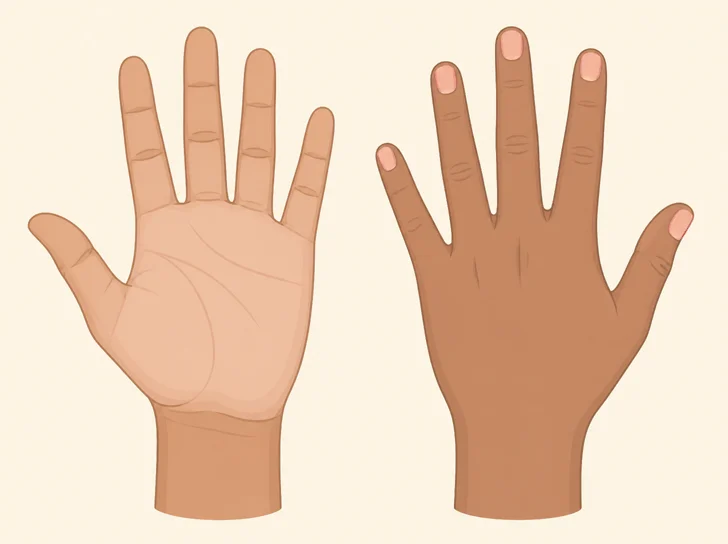
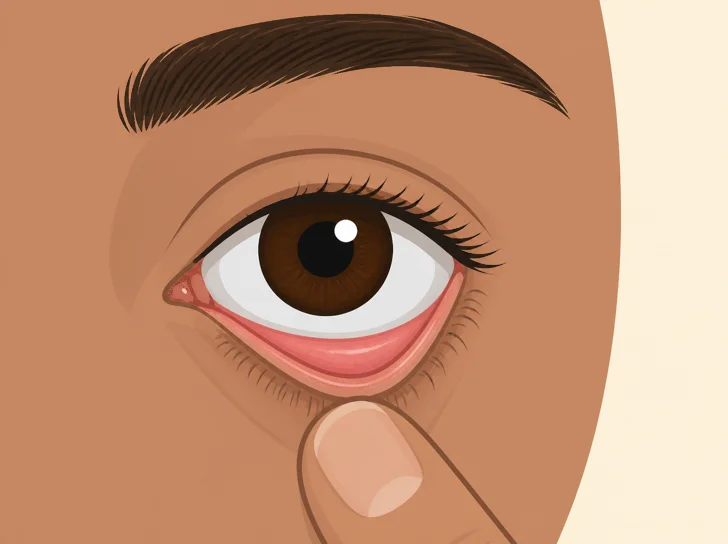
Illustrations generated with AI (Canva Magic Media); skin and "pale" versions recoloured for this guide.
Looking pale can be one sign of a low blood sugar (a hypo). On darker skin, paleness is easier to see on the palms, nail beds, lips and inside the lower eyelid than on the face. It can look ashy grey on dark brown or black skin and yellowish on brown skin.
IU Doctor of Physical Therapy, Color Awareness handbook; Gloucestershire Hospitals hypoglycaemia leaflet. Illustration only, not a diagnostic colour chart.
How diabetes is diagnosed
Diagnosis needs a blood test. One common test is HbA1c, which shows your average blood glucose level rather than a single moment.
HbA1c results (adults, not pregnant)
- With symptoms, one HbA1c of 48 mmol/mol (6.5%) or more is enough to diagnose diabetes.
- Without symptoms, the test is repeated. Diabetes is confirmed if the second result is also 48 or above.
- Glucose tests can also be used: fasting plasma glucose of 7.0 mmol/L or more, or 11.1 mmol/L or more two hours after a glucose drink or at random with symptoms.
Diabetes UK, Diagnostic criteria for diabetes (based on WHO criteria); American Diabetes Association criteria table (PMC).
Low blood sugar (hypoglycaemia)
A hypo is usually when blood glucose falls below 4 mmol/L. It mainly affects people who take insulin or some other diabetes medicines, and it needs treating quickly.
Signs can include
- Feeling hungry, dizzy, shaky or sweaty
- Feeling anxious or irritable
- Tingling lips, a pounding heart
- Feeling tired or weak, blurred vision
- Confusion
Signs differ from person to person. A severe hypo can cause a fit or loss of consciousness.
What the NHS advises
- Have something that raises blood sugar fast, such as a small glass of fruit juice or a non-diet fizzy drink, glucose tablets or glucose gel.
- Check again after 10 to 15 minutes.
- If still below 4 mmol/L, repeat and check again after 10 minutes.
- Once above 4 mmol/L, eat something longer-lasting, such as a sandwich, biscuits or your next meal.
Call 999 if someone is unconscious or not responding normally
and no glucagon injection is available, or they have not recovered within 10 minutes of one, or they have been drinking alcohol. Do not give food or drink to someone who is unconscious.
Contains public sector information licensed under the Open Government Licence v3.0 (adapted from the NHS website page on low blood sugar).
Long-term complications
Over time, high blood glucose can damage the heart, blood vessels, eyes, kidneys and nerves. Finding diabetes early and starting treatment reduces the risk of these problems.
Diabetic retinopathy
Damage to the small blood vessels of the retina, the light-sensing layer at the back of the eye. It is a major cause of blindness.
The diabetic foot
Nerve damage reduces feeling in the feet, so injuries can go unnoticed. This raises the chance of foot ulcers and infection, and can lead to amputation.
Kidney disease
Diabetes is among the leading causes of kidney failure. See the kidney health guide for the tests to ask for and how kidney disease is staged.
Heart attack and stroke
Adults with diabetes have a two to three times higher risk of heart attacks and strokes.
WHO diabetes fact sheet (organs affected, complications and risk figures); NHS website, type 2 diabetes (early treatment reduces risk); IU DPT Color Awareness handbook (how redness appears on darker skin).
Living well and lowering risk
What helps prevent or delay type 2
- Reaching and keeping a healthy body weight
- Being active: at least 30 minutes of moderate activity on most days
- Eating a healthy diet, limiting sugar and saturated fat
- Not using tobacco
WHO diabetes fact sheet.
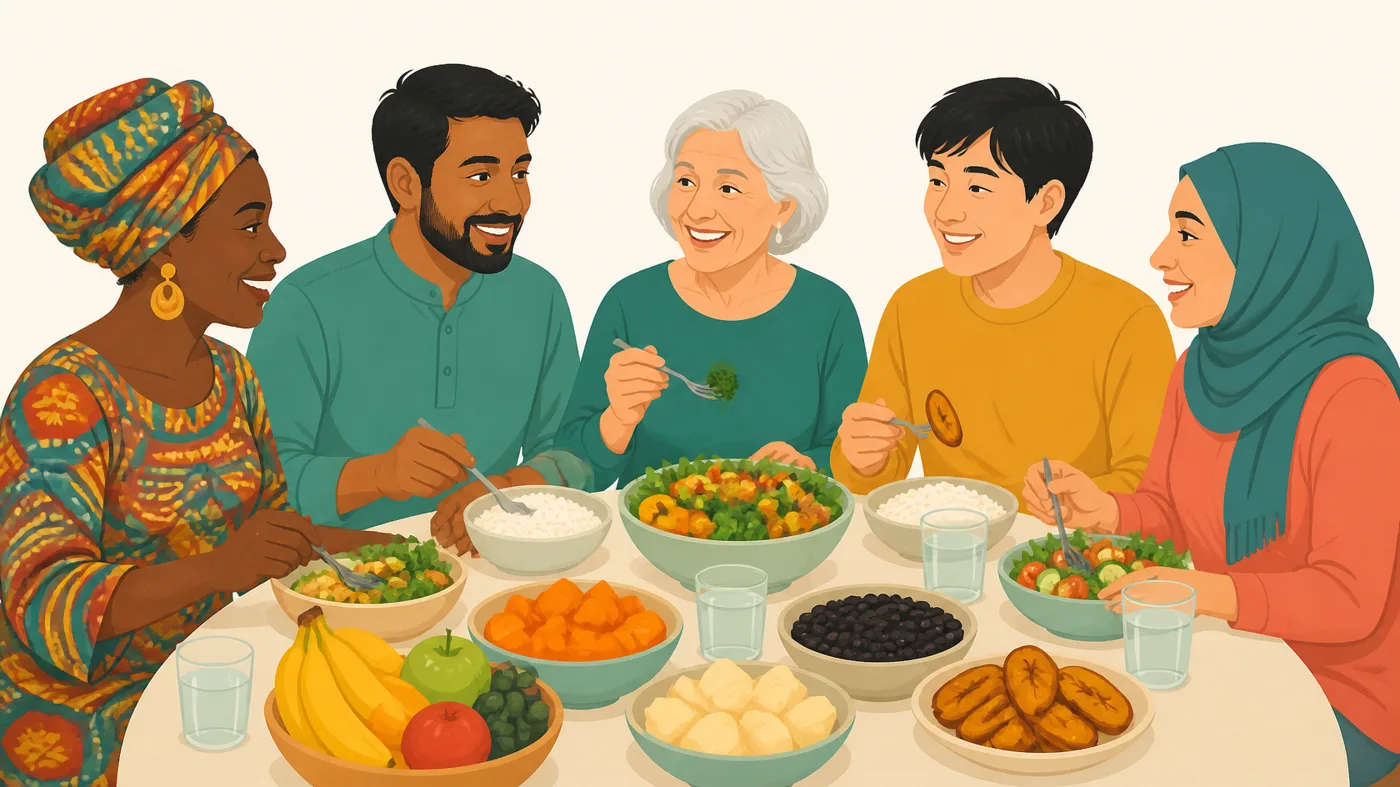
Your own foods belong in the plan
Healthy eating for diabetes does not mean giving up the foods you grew up with. Starchy staples differ around the world, and a dietitian can help you fit yours into meals that suit your blood glucose.
Bring examples of what you usually eat to your appointment.