Iron-deficiency anaemia: the world's most common nutrient problem
Iron-deficiency anaemia happens when the body does not have enough iron to make healthy red blood cells. It is the single most common nutrient deficiency worldwide, and it affects people of every background, though not equally.
NHS website, Iron deficiency anaemia; Statistics Canada, Iron sufficiency of Canadians (2012), "iron deficiency is the most common nutritional deficiency in the world".
Why the body needs iron
Iron is part of haemoglobin, the protein in red blood cells that carries oxygen from the lungs to every tissue, and of myoglobin, which stores oxygen in muscle. It is also part of enzymes used in energy metabolism. The body has no active way to get rid of iron, so it carefully controls how much is absorbed from food to match what is lost (through periods, shed skin and other everyday losses) and what growth or pregnancy need.
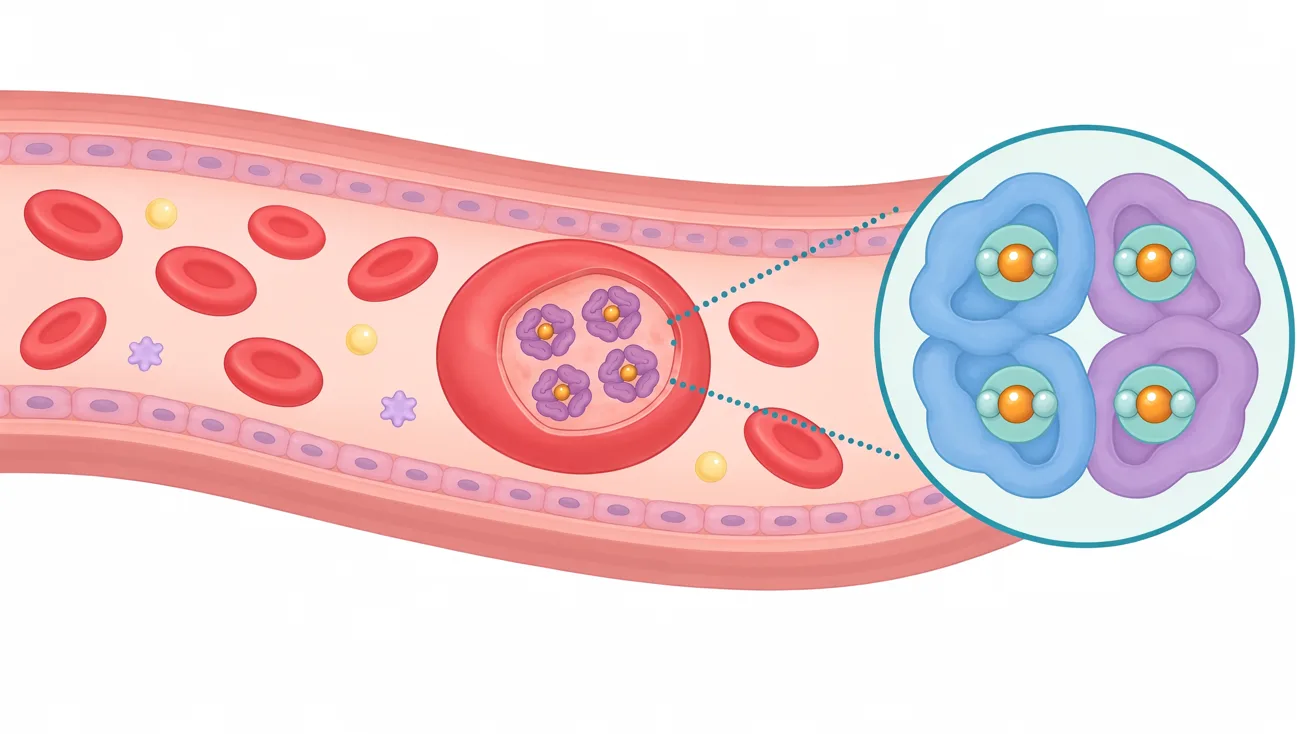 Blood vessel
Red blood cell
Haemoglobin
One haemoglobin
Iron in each haem
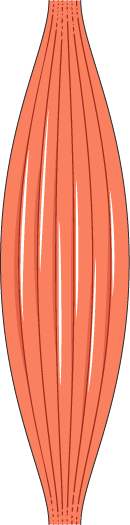
Haem iron
Found almost only in meat, fish and poultry. The body absorbs haem iron 2 to 6 times more easily than non-haem iron.
Non-haem iron
Found in cereals, vegetables, pulses, nuts, eggs and fortified foods. It is less easily absorbed, and absorption is affected by what else is eaten at the same meal (see Food and iron below).
Scientific Advisory Committee on Nutrition (SACN), Iron and Health (2010), Summary paragraphs 5–11, Chapter 2. In the UK, cereal foods (including fortified bread) supply about 41–55% of iron intake, and meat about 12–21% (British Dietetic Association, One Blue Dot).
Iron deficiency is a slope, not a switch
Iron deficiency usually develops in stages. First, the body's iron stores (measured as ferritin) run low while haemoglobin is still normal — doctors call this non-anaemic iron deficiency. Only when the iron supply becomes too low to make enough red blood cells does anaemia (low haemoglobin, Hb) develop. Move the sliders below to see how an example result would usually be read, based on UK clinical guidance.
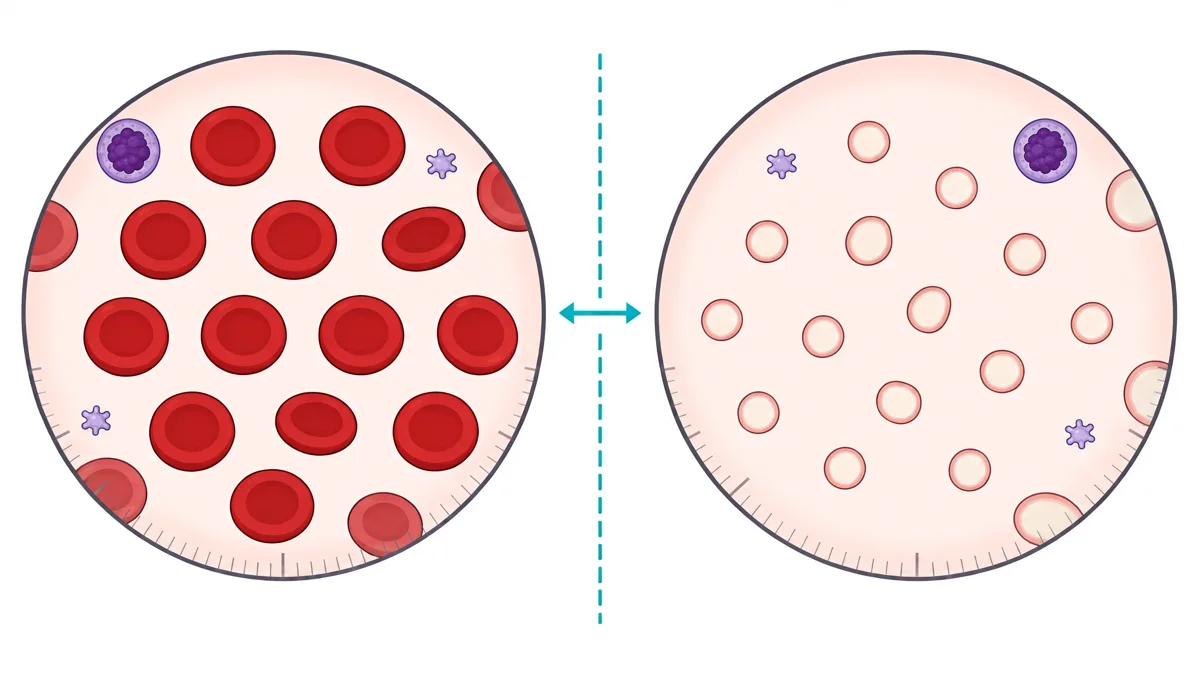 Healthy red blood cells
Iron-deficiency anaemia
Haemoglobin bands: World Health Organization, Guideline on haemoglobin cutoffs to define anaemia in individuals and populations (2024), Table 3. Ferritin bands: Snook J, Bhala N, Beales ILP, et al. British Society of Gastroenterology guidelines for the management of iron deficiency anaemia in adults. Gut 2021;70(11):2030–2051 (below 15 µg/L: iron stores absent; below 30 µg/L: generally low stores). Ferritin can be pushed up by inflammation or infection, which can mask true iron deficiency.
What iron-deficiency anaemia can feel like
More common
- Tiredness and lack of energy
- Shortness of breath
- Noticeable heartbeats (palpitations)
- Paler than usual skin
- Headaches
Less common
- Tinnitus, and food tasting strange
- Itchy skin, hair loss
- A sore tongue (glossitis) and mouth ulcers at the corners of the mouth
- Wanting to eat non-food items such as ice or paper (pica, including craving ice — pagophagia)
- Spoon-shaped nails (koilonychia), difficulty swallowing
- Restless legs syndrome
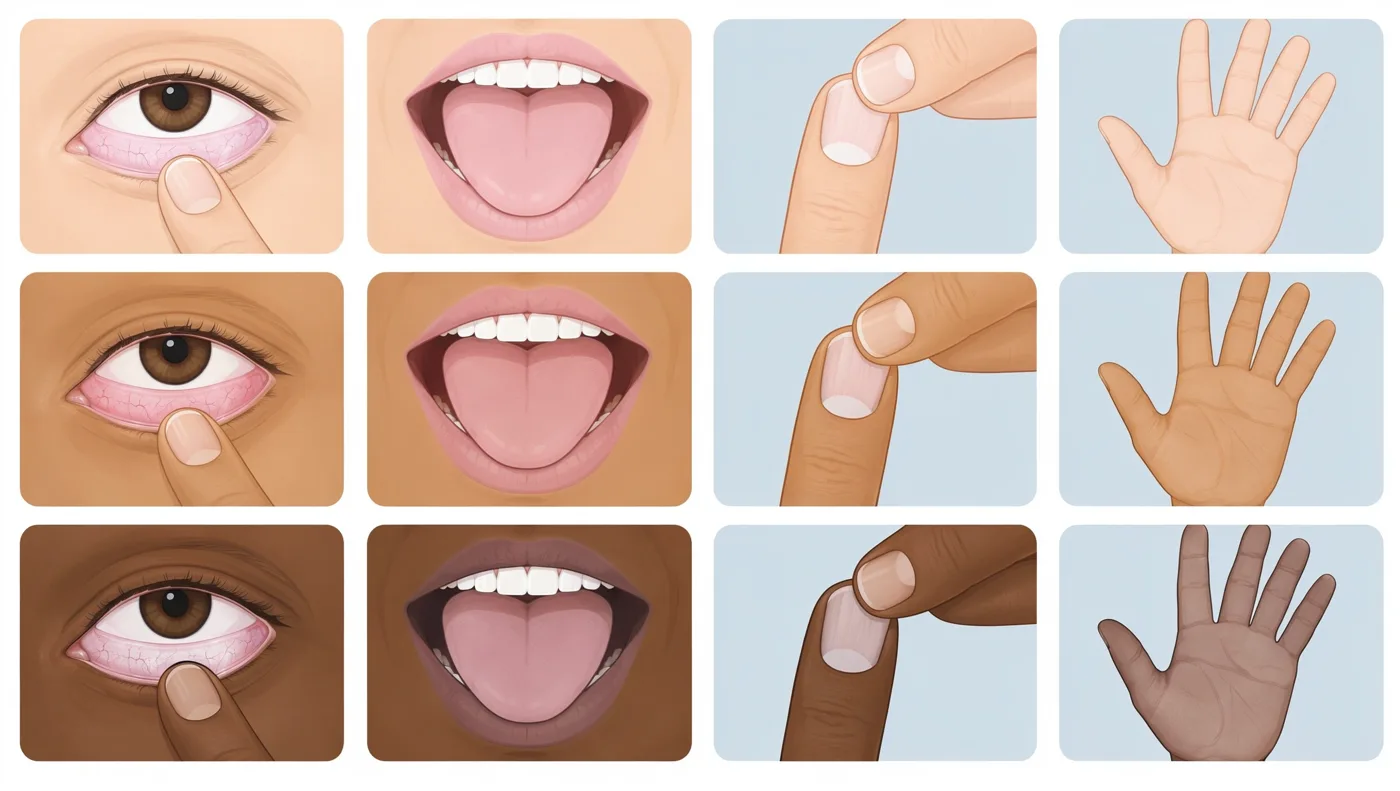
NHS website, Iron deficiency anaemia (reviewed 26 January 2024); British Dietetic Association, Iron Food Fact Sheet; AIMST-OSCE Series Clinical Skill #4, Inspect for Anaemia (Pallor) (2020).
Main causes
Heavy periods, pregnancy and childbirth, and bleeding in the gut are the most common causes. The NHS says that unless someone is pregnant, diet alone rarely explains iron-deficiency anaemia.
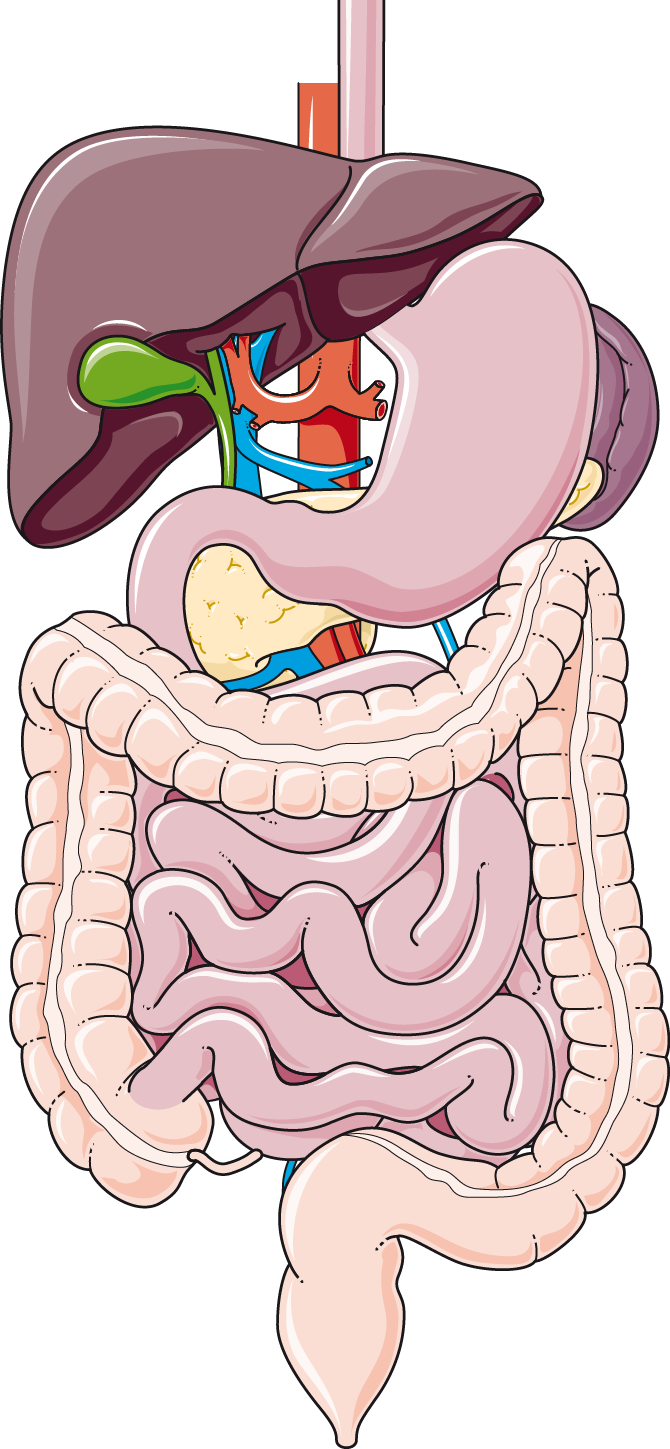
Coeliac disease (found in 3–5% of people with iron-deficiency anaemia), stomach or bowel surgery including bariatric surgery, and some medicines can all reduce how much iron is absorbed.
Pregnancy, growth in infancy and childhood, and a diet low in iron-rich foods all raise the risk, especially alongside blood loss.
British Society of Gastroenterology guidelines (2021), Table 1; NHS website.
How common it is in the UKTeenage girls, women and pregnancy: national survey figures.
Teenage girls (11–18)
49% have iron intakes below the lower reference nutrient intake.
Women (19–64)
25% have iron intakes below the lower reference nutrient intake.
Women 65 and over
Pregnant women
Across two UK maternity hospitals, at booking and/or 28 weeks.
National Diet and Nutrition Survey, Years 9–11 (2016/17–2018/19), statistical summary, gov.uk; Nair M and others (2017), cited in Pavord S and others, UK guidelines on the management of iron deficiency in pregnancy, Br J Haematol 2020;188(6):819–830.
What we know, and don't yet know, about ethnicity in the UKLimited data, fibroids and thalassaemia trait.
Good UK data on iron deficiency specifically by ethnic group are limited. The only nationally representative figures come from the Health Survey for England 2004, which measured anaemia generally (any cause, one haemoglobin cut-off for all ages and both sexes) rather than iron deficiency, and found anaemia in 16% of Black Caribbean women and 29% of Indian women, compared with 6–7% of Irish and Chinese women. Rates in men from minority ethnic groups were 0–4%. The UK government's own scientific advisers said in 2010 that minority ethnic groups "need to be better characterised".
Two UK-specific links are better established. Uterine fibroids are more common in women of Black African or Caribbean ethnicity, fibroids are linked to heavy menstrual bleeding, and heavy menstrual bleeding carries a real risk of iron deficiency — which is why NICE recommends a full blood count for every woman who reports heavy periods. Separately, thalassaemia trait (which can look like iron deficiency on a blood count, with small red cells) is more common in people of Mediterranean, Middle Eastern, South Asian and African heritage, so UK guidelines recommend checking for it when small red cells don't match the iron results.
SACN, Iron and Health (2010), para 29, 40 (citing Health Survey for England 2004); NICE NG88, Heavy menstrual bleeding (updated July 2026); British Society of Gastroenterology guidelines (2021).
A wider picture: iron deficiency around the worldGlobal, African, Asian, US, Canadian and Australian figures.
Because UK data by ethnicity are so limited, it helps to look at what better-studied countries have found — while remembering that definitions, populations and survey years differ, so these figures are not directly comparable with each other or with the UK.
Global, women aged 15–49
WHO estimate for 2019. Also 37% of pregnant women and 40% of children aged 6–59 months, with the WHO African and South-East Asia regions most affected.
Global, women vs men of reproductive age
2021 estimate, Global Burden of Disease study.
Western sub-Saharan Africa
South Asia
USA, non-Hispanic Black and Mexican-American women 12–49
NHANES 1999–2000. A later CDC report (NHANES to 2023) found iron deficiency rising in US women overall and in Mexican-American women specifically, with no significant change measured in non-Hispanic Black or White women over that period.
Canada, girls and young women aged 12–19
Canadian Health Measures Survey, 2009–2011. No national Canadian data by ethnicity were found.
Australia, Aboriginal and Torres Strait Islander adults
National biomarker survey, 2022–24. 8.8% of women and 2.0% of men had ferritin below 15 µg/L. Low haemoglobin was more common in remote areas (14.1% vs 8.1%).
Australia, remote Indigenous children
Two local studies of infants and school-age children in remote northern Australia — not a national average.
GBD 2021 Anaemia Collaborators, Lancet Haematology, reported in The Week, "Global Anemia Prevalence: 1 in 4 affected...", 1 August 2023; WHO/UNICEF, Global Nutrition Targets 2030: Anaemia Brief; CDC, MMWR 2002;51(40); CDC 2026 Nutrition Report, Iron Factsheet; Statistics Canada, Iron sufficiency of Canadians (2012); Australian Bureau of Statistics, National Aboriginal and Torres Strait Islander Health Measures Survey 2022–24 (released 7 May 2025); WHO, Guideline on haemoglobin cutoffs (2024), Background; Aquino D and others, Australian Journal of Rural Health 2018 (infants, 42%); Udovicich C and others, "Anaemia in school-aged children in an Australian Indigenous community", Australian Journal of Rural Health, doi:10.1111/ajr.12338 (school-age children in one Northern Territory community, 52%).
Should the anaemia cut-off differ by ethnicity?A live debate, and what WHO decided in 2024.
This is a live debate. Studies in the US, UK and Italy have found that healthy women who identify as Black, Asian or Hispanic tend to have slightly lower average haemoglobin than White women — a difference of around 10 g/L has been reported between Black and White people, and it is not fully explained by iron, diet, income or known inherited blood conditions. One analysis using US and UK survey data suggested a lower cut-off for Asian women, which would cut measured anaemia in India by about 18%.
Others argue that separate thresholds would reinforce the false idea of biological differences between racial groups, and that mixed ancestry makes such rules hard to apply. In 2024 the WHO reviewed this evidence, judged it to be of very low quality, and decided not to adjust haemoglobin cut-offs by ancestry, ethnicity or race. Instead, it advises that when anaemia is found, its genetic, nutritional, infectious and social causes should be looked at for each person.
World Health Organization, Guideline on haemoglobin cutoffs to define anaemia in individuals and populations (2024): Background (pp. 1–2) and Question 2.c, Normative statement 2.c and Remarks (pp. 16–18), summarising Varghese and others (2019), Weyand and McGann (2021) and WHO Nutritional anaemias (2017).
Refugee and migrant screeningWhat screening studies in Australia have found.
Screening studies of refugees and asylum seekers in Australia have found anaemia in roughly 6–9% of people screened and iron deficiency in around 13%, with some variation by region of origin; among children of refugee background, anaemia has been found in an estimated 10–30% across studies, with similar rates reported for children from Africa, the Middle East and Asia.
Paxton GA and others, PLOS ONE 2012; NSW Refugee Health Service cohort, Public Health Research & Practice 28(1); Royal Children's Hospital Melbourne, Immigrant Health Service clinical guideline, Iron deficiency and anaemia.
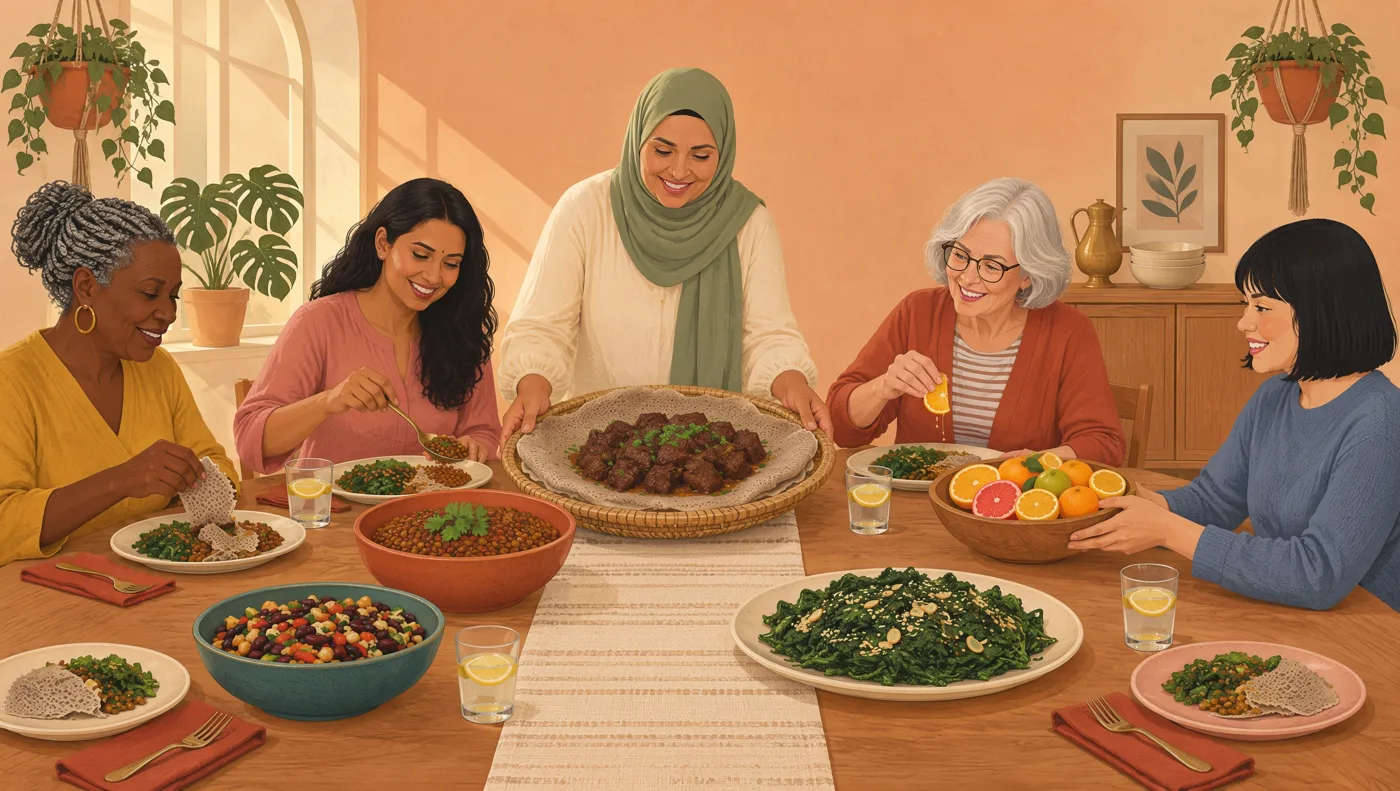
Iron-rich foods from many kitchens
These are per 100 g iron values for a spread of dishes and ingredients already in MaDiet's food comparison table. For comparison, an adult's recommended intake is about 8.7 mg a day for men and women past menopause, and 14.8 mg a day for women aged 11–50.
Values and sources: see the Foods from many kitchens sources list. UK reference nutrient intakes: Department of Health (COMA, 1991), as reproduced in SACN, Iron and Health (2010).
What helps absorption
Vitamin C keeps non-haem iron in the form the gut absorbs best. Having a vitamin-C source with an iron-rich plant meal can help — for example lemon or tomato with lentils, citrus with a leafy-greens stew, or fruit alongside a bean dish.
Eating haem iron (meat, fish, poultry) alongside plant foods in the same meal also helps the body absorb more of the non-haem iron.
What makes it harder
Tea, coffee, calcium and the phytates in bran and some wholegrains can reduce how much non-haem iron is absorbed from a meal. The usual advice is to have tea or coffee between meals rather than with them, and to take iron supplements away from tea, coffee or dairy.
UK government advisers note that, over a whole varied diet, these effects matter far less than they do in single-meal studies — so the main message is simply to eat a varied diet with iron-rich foods regularly, not to follow strict rules at every meal.
SACN, Iron and Health (2010), para 11, 32; British Dietetic Association, Iron Food Fact Sheet; NHS website.
Getting checked, and what treatment usually looks like
British Society of Gastroenterology guidelines (2021); NHS website, Iron deficiency anaemia; Stoffel NU and others, Lancet Haematology 2017;4(11):e524–e533 (alternate-day dosing trial: 40 iron-depleted women absorbed more iron in total over two weeks on alternate-day dosing than on consecutive-day dosing).
Keep iron tablets away from children
The NHS warns that an overdose of iron can be fatal in a young child, so tablets must always be stored out of reach.
Pregnancy, infants, vegetarian and vegan diets, and surgery
PregnancyChecks at booking and 28 weeks, and lower thresholds.
Haemoglobin is checked at booking and around 28 weeks. UK guidelines use lower thresholds in pregnancy than outside it (anaemia from below 110 g/L in the first trimester and below 105 g/L in the second and third), because blood volume naturally increases. Iron is not routinely given to every pregnant woman, only when it is needed.
Infants and toddlersIron-rich first foods from around 6 months.
Babies are ready for solid food from around 6 months. From then, meat, fish, eggs, and beans and pulses including lentils, chickpeas and tofu are suitable foods that also supply iron. Children aged about 1½–2½ years have the highest rate of iron deficiency of any UK age group.
Vegetarian and vegan dietsLower stores, similar haemoglobin, and what helps.
People on plant-based diets tend to have lower iron stores but similar haemoglobin to meat-eaters. Eating a variety of pulses, vegetables, grains and fortified foods, with a vitamin C source at meals, covers most people's needs; anyone with higher needs should speak to a dietitian.
After bariatric surgeryLifelong monitoring and prescribed iron.
Iron deficiency is common after stomach or bowel surgery, including bariatric surgery, so UK guidelines recommend lifelong monitoring and prescribed iron for life after most procedures. See the medicines and surgery section of the obesity guide.
Kidney disease and anaemia. Damaged kidneys make less EPO, the hormone that tells the bone marrow to make red blood cells, so anaemia is common in later chronic kidney disease. See the kidney health guide.
Pavord S and others, Br J Haematol 2020;188(6):819–830; NHS, Best Start in Life (from around 6 months); SACN, Iron and Health (2010); O'Kane M and others, British Obesity and Metabolic Surgery Society guidelines, Obes Rev 2020;21(11):e13087.